

Safety first: if you drink heavily every day, don't stop suddenly on your own. Alcohol withdrawal can be dangerous. Its most severe form, delirium tremens (DTs), can cause severe confusion, hallucinations, fever and seizures, and it can be fatal. Seizures are most common 12 to 48 hours after the last drink, and DTs usually start 48 to 96 hours after. People who have drunk heavily every day for several months, or who have gone through withdrawal before, are at higher risk (MedlinePlus). Talk to a doctor before you quit, so withdrawal can be managed safely. If you have a seizure, a fever, severe confusion or hallucinations after stopping, call 911 (MedlinePlus).
With that covered: if you can't sleep after quitting alcohol, it's normal and it does get better. Alcohol changes how your brain sleeps, and once it's gone, your sleep has to readjust. That's usually hardest in the first days, often stays rough for several weeks, and for long-term heavy drinkers can take months or longer to fully recover.
Here's why it happens, a realistic timeline, what helps with sleep and evening cravings, and where calm audio like ASMR may fit.
Why you can't sleep after you stop drinking
Alcohol feels like a sleep aid because it's sedating: it can help you fall asleep faster. But your body gets used to that effect quickly. And as alcohol wears off during the night, sleep becomes more broken, with more awakenings and more time awake in the second half of the night (Inkelis et al., 2020).
Over time, heavy drinking reshapes sleep. Compared with people who don't have alcohol use disorder, people who do tend to get less deep (slow-wave) sleep and more light and REM sleep (Inkelis et al., 2020). Sleep problems are one of the most common complaints in alcohol use disorder, with estimates ranging from 36% to 91%.
When you stop, your brain has to rebalance. In a classic review published by NIAAA, sleep during withdrawal took longer to start and was shorter overall, and REM sleep, which alcohol had suppressed, bounced back, sometimes above normal levels (Brower, 2001). Bad dreams are also a common withdrawal symptom (MedlinePlus).
How long does alcohol insomnia last?
There's no single answer, but research gives a rough timeline. Most of it comes from studies of people with long histories of heavy drinking, so if you drank less, your sleep may recover faster. The studies can't tell us that for sure.
The first days: acute withdrawal
Withdrawal symptoms usually start within 8 hours of the last drink and peak at 24 to 72 hours, though they can go on for weeks (MedlinePlus). Insomnia is common in this stage. In one study of 40 inpatients, 58% had at least one night of insomnia in the first six days of withdrawal, and in a study of 748 men entering treatment, 67% reported insomnia during acute withdrawal (Brower, 2001).
Weeks 2 to 8: early recovery
Sleep usually improves after the acute phase, but it's often not normal yet. Studies of people 2 to 8 weeks sober found they slept less, got less deep sleep and took longer to fall asleep than people without drinking problems. One interview study found insomnia lasting about five weeks (Brower, 2001).
Months 3 to 9
The timing of REM sleep returned to normal by about three months of sobriety in one study, and the time it takes to fall asleep normalized by about 5 to 9 months (Brower, 2001). MedlinePlus also notes that sleep changes, mood swings and fatigue can last for months (MedlinePlus).
A year or more
In long-term heavy drinkers, some changes lasted much longer: total sleep time took one to two years to normalize, and lighter, more broken sleep persisted for one to three years in some studies (Brower, 2001). That doesn't mean you'll sleep badly for years. It means "not perfect yet" at month three is normal, not a sign you're doing it wrong.
Why sleep matters for staying sober
Poor sleep and relapse are linked. In Brower's review, five of seven studies connected relapse with taking longer to fall asleep or having trouble getting to sleep (Brower, 2001). A 2020 review in NIAAA's journal notes that insomnia symptoms at the start of a study predicted relapse in both men and women (Inkelis et al., 2020).
Stress plays a part too. Researchers have long known that stress raises the risk of going back to drinking, and people whose cravings rose sharply under stress were more likely to drink after treatment (Sinha, Alcohol Research: Current Reviews). Tired, stressed and in the hour you used to drink is a hard combination.
One caveat: treating insomnia hasn't yet been proven to prevent relapse (Brower & Perron, 2010). Better sleep is worth working on for its own sake and for how you feel, but it isn't a substitute for treatment and support. Our guide to ASMR and addiction recovery covers the bigger picture.
Handling cravings in the evening
Many people find evenings the hardest part. NIAAA lists "times of day that offer drinking opportunities" among common triggers, alongside people, places, emotions and physical feelings like tension (NIAAA Rethinking Drinking).
NIAAA's advice for urges:
- Ride it out. Accept the urge as normal and temporary, and let it rise and pass like a wave instead of fighting it (NIAAA Rethinking Drinking).
- Have activities ready. Short, medium and longer options: text or call someone, lift weights to music, take a shower, meditate, take a walk, or watch short online videos.
- Remind yourself why. Keep your reasons for quitting written down or saved on your phone (NIAAA).
- Keep little or no alcohol at home.
- Get help if urges stay hard. If you're struggling, talk to a healthcare professional. Some non-addictive medications can reduce the desire to drink (NIAAA Rethinking Drinking).
What helps you sleep after quitting drinking
1. Get withdrawal managed if you need it
If you've been drinking heavily, the safest first step for your sleep and everything else is to talk to a doctor about withdrawal (MedlinePlus).
2. Don't go back to a nightcap "just to sleep"
Alcohol's sleepy effect fades with regular use, and it breaks up the second half of the night (Inkelis et al., 2020). A drink to fall asleep trades a little help now for worse sleep later.
3. Fix your wake time
Get up at the same time every day, weekends included, and go to bed when you're sleepy rather than at a set hour, as the American Academy of Sleep Medicine recommends (AASM).
4. Build a wind-down routine
The AASM suggests putting handheld devices away 30 to 60 minutes before bed and doing something calming, such as reading, journaling or a warm shower (AASM). If racing thoughts keep you up, see our guide on how to stop overthinking at night.
5. Ask about CBT-I if insomnia lasts
Cognitive behavioral therapy for insomnia (CBT-I) is the first-line treatment for chronic insomnia, recommended by the American College of Physicians ahead of sleeping pills (ACP, 2016). Up to 80% of people treated with CBT-I benefit, and it has shown promise in people with alcohol use disorder, though it hasn't been shown to improve drinking outcomes more than other approaches (Inkelis et al., 2020).
6. Talk to a doctor before taking sleep medication
Sleep medications have mixed results in people with alcohol use disorder and may not be suitable for them (Inkelis et al., 2020). Don't start or combine them on your own.
7. Ask about sleep apnea
In three older studies of recently sober patients, about 29% showed signs of sleep apnea on testing (Brower, 2001). If sleep stays poor, ask your doctor whether a sleep study makes sense.
Where ASMR fits, honestly
No study has looked at ASMR for alcohol withdrawal, cravings or relapse. It doesn't treat any of them. What research does show is that people who watch ASMR mostly use it to relax (98%), to help them sleep (82%) and to deal with stress (70%), based on a survey of 475 self-selected fans with no control group (Barratt & Davis, 2015).
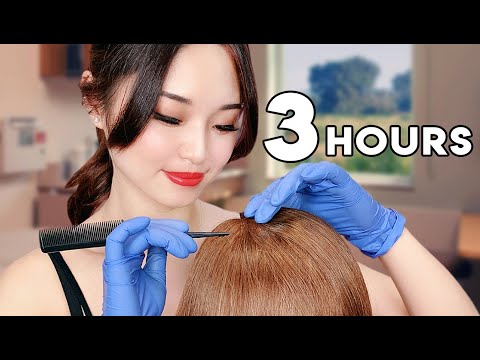
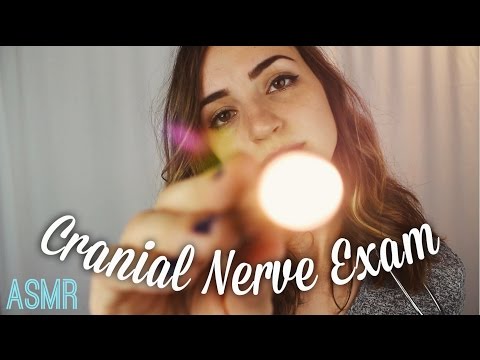
So it may help as one calm option for the hour you used to drink and for falling asleep, the same way music or a quiet podcast might. NIAAA itself lists watching short online videos among distractions for urges. A few tips if you try it:
- Try a calm voice. Soft-spoken ASMR is quieter and steadier than close whispering, closer to being read to.
- Pick slow, long videos. The sleep ASMR collection gathers gentle videos meant for bedtime.
- Set it up before bed. Choose the video, set a sleep timer, turn off autoplay, then put the phone face down.
- Don't count on it for a strong craving. If an urge isn't passing, use your plan: call someone, get up and move, or call a helpline.
Where to get help
You don't have to do this alone, and asking for help isn't a sign you've failed.
- SAMHSA National Helpline: free, confidential treatment referrals and information, 24/7, in English and Spanish. Call 1-800-662-HELP (4357) (SAMHSA).
- NIAAA Alcohol Treatment Navigator: a free tool from the National Institutes of Health that walks you through finding higher-quality alcohol treatment, at alcoholtreatment.niaaa.nih.gov (NIAAA).
- Mutual-help groups: such as Alcoholics Anonymous, SMART Recovery or Secular AA (NIAAA).
- Your doctor: for safe withdrawal, insomnia that lasts, or medication to reduce cravings.
Call 911 for seizures, fever, severe confusion, hallucinations or an irregular heartbeat after stopping alcohol. If you're in crisis or thinking about harming yourself, call or text 988 for the 988 Suicide & Crisis Lifeline.