
ASMR isn't sexual for the vast majority of people who watch it. In the first large survey of ASMR fans, almost everyone used it to relax and most used it to fall asleep, while only 5% said they used it for sexual stimulation. In the lab, ASMR videos made people calmer, with no rise in sexual arousal.
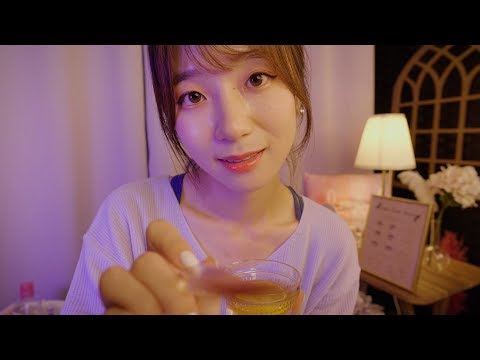
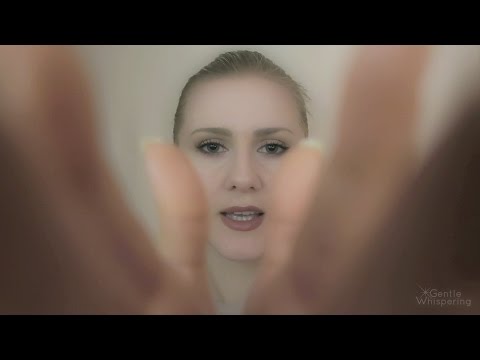
The question comes up because some ASMR looks intimate from the outside: someone whispering into a microphone, close-up personal attention, roleplays where the creator talks straight to the camera. Here's what the research says, why it can look that way, and why liking ASMR isn't weird.
Is ASMR sexual?
No, not for most people. ASMR (autonomous sensory meridian response) is a tingling, relaxing feeling some people get from soft sounds, slow movements and gentle attention. If you're new to it, start with what ASMR is and how it works.
What the surveys show
The first peer-reviewed study of ASMR surveyed 475 adults who experience it, recruited from ASMR groups on Facebook and Reddit (Barratt & Davis, 2015). Asked why they watch:
- 98% said to relax
- 82% said to help them sleep
- 70% said to deal with stress
- 5% said they used ASMR for sexual stimulation, and 84% disagreed with that statement
The same survey found that 81% preferred to watch at bedtime. That's the typical use: something calm to listen to while winding down, closer to a sleep podcast than anything else.
Keep in mind this was a self-selected group of fans answering questions about themselves, with no control group. But the pattern is clear, and it matches what later lab work found.
What lab studies show
Researchers led by the University of Sheffield ran two studies: an online study with 1,002 people and a lab study with 110 (Poerio et al., 2018). People who experience ASMR felt calmer while watching ASMR videos, and in the lab their heart rate dropped by an average of 3.41 beats per minute compared with a control video.
They also reported some excitement, and their skin conductance rose slightly, a sign of mild physical arousal in the general sense of alertness. So ASMR seems to combine calm with a bit of absorbed attention.
What it didn't produce was sexual arousal. Both studies measured it, and neither found a difference between people who experience ASMR and people who don't. The authors concluded that sexual arousal is not a reliable outcome of watching ASMR videos (Poerio et al., 2018).
Tingles are not arousal
The tingles themselves usually start at the back of the scalp and spread down the neck and shoulders (Barratt & Davis, 2015). People describe them as a light, pleasant shiver that comes with relaxation. Many people don't feel tingles at all and still find the videos calming: half the survey participants said their mood improved even in sessions without tingles.
Why ASMR can look intimate
It's fair to admit why the question exists. Several of the most common triggers are things you normally only experience up close, with someone you know or someone taking care of you.
- Whispering. The most common trigger in the 2015 survey, named by 75% of participants (Barratt & Davis, 2015).
- Personal attention. Named by 69%. The creator looks into the camera and talks to you as if you were in the room, often while pretending to do something for you. See personal attention ASMR.
- Roleplay. Everyday scenarios played out on camera: a barber, an eye exam, a tailor fitting, a librarian helping you find a book. Browse ASMR roleplay to see the range.
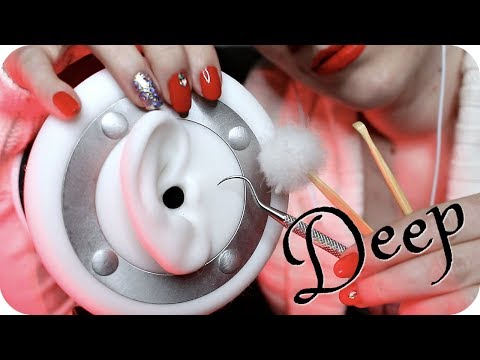
- Close-up sound. Microphones placed right where your ears would be make sounds feel close, which is part of the effect.
Part of the appeal is feeling looked after. In the Sheffield online study, people who experience ASMR reported more social connection while watching spoken videos, though not sound-only ones (Poerio et al., 2018). Researchers who study online culture discuss ASMR as an example of technologically mediated intimacy, meaning a sense of closeness that comes through a screen (Smith & Snider, 2019).
That closeness is the same kind you get from a good haircut or a calm doctor explaining what they're doing. In fact, one participant in the 2015 survey found ASMR videos after noticing how relaxed he felt during a hairdresser appointment (Barratt & Davis, 2015).
Out of context, a clip of someone whispering an inch from a microphone can look odd. In context, it's usually a video titled something like "sleep" or "relaxing haircut" and watched by someone trying to fall asleep.
ASMR vs adult content: what's the difference?
The difference is the purpose.
| Mainstream ASMR | Adult content | |
|---|---|---|
| Goal | Relaxation, sleep, tingles | Sexual arousal |
| Typical content | Tapping, brushing, page turning, soft-spoken talk, everyday roleplays | Explicit or suggestive material |
| Where it lives | YouTube and other general platforms | Adult platforms |
Some people do make sexualized videos and label them ASMR, and the 5% figure shows a small minority use ASMR that way. That's a separate genre borrowing the format, not what the word means to most people who watch it.
Platform rules
YouTube, where the videos on Tingly Room come from, doesn't allow explicit content meant to be sexually gratifying, and its policy explicitly covers audio as well as video (YouTube Help). Sexual content that stops short of that can be age-restricted, which means it can't be watched by anyone under 18 or by signed-out viewers.
Those rules apply to ASMR like everything else. In July 2026, YouTube removed several ASMR channels, saying they linked to content that broke its nudity and sexual content policy. A YouTube spokesperson said the action followed long-standing policies and was not targeting ASMR content (404 Media, 2026).
The bulk of the genre, from tapping and brushing to sleep videos and medical-exam roleplays, sits comfortably within those rules.
How to tell what you're looking at
- Read the title and thumbnail. Mainstream ASMR is labeled by trigger, mood or scenario: "tapping," "for sleep," "no talking," "haircut roleplay."
- Look at the focus. In mainstream ASMR, the focus is on sounds, hands and objects, or on a calm voice. If a video's main point is to be suggestive, it isn't what most ASMR is.
- Check the creator. Established creators tend to post consistent, recognizable styles, so a few videos tell you what to expect.
Is it weird to like ASMR?
No. Liking ASMR is common, even if people don't talk about it much.
- About 1 in 5 people may experience it. In a study of 648 students and working adults in Japan, 23.5% were classed as ASMR responders. The researchers tentatively put prevalence at around 20%, and say that figure still needs checking with random samples (Poerio, Ueda & Kondo, 2022).
- It isn't limited to one group. Of the 475 people in the first large survey, 245 were men, 222 were women and 8 were non-binary, aged 18 to 54 (Barratt & Davis, 2015).
- It often starts long before the internet gets involved. In the same survey, 241 people said they first felt it between ages 5 and 10, and some first noticed it from everyday situations rather than videos.
The 2015 authors noted the "perceived strangeness and stigma" many people feel around ASMR, and suggested it may stop people from even asking relatives about it (Barratt & Davis, 2015). That stigma comes from how it looks, not from what it does. Listening to soft sounds to relax isn't so different from falling asleep to rain, a fan or a baseball game on the radio.
It's also normal not to get it. Plenty of people feel nothing from ASMR, and some find certain sounds, like chewing or lip smacking, irritating. If that's you, see ASMR and misophonia.
Why do people watch ASMR?
The research and the way people use it point to the same handful of reasons.
- To relax. The top reason by far: 98% in the 2015 survey.
- To fall asleep. 82% used it for sleep, and most watched at bedtime.
- To take the edge off stress. 70% said they used it to deal with stress.
- For the tingles. For people who feel them, the sensation itself is pleasant. Our list of ASMR triggers covers the sounds and visuals that set them off.
- For a sense of company. Spoken and personal-attention videos can feel like someone calm is there with you, which matches the rise in social connection seen in the Sheffield study.
ASMR is a relaxation aid, not a treatment. It isn't proven to treat insomnia, anxiety or depression. If stress or anxiety is affecting your daily life, talk to a doctor or a mental health professional. If you're in crisis or thinking about harming yourself, call or text 988 to reach the 988 Suicide & Crisis Lifeline (US).
If the intimate side makes you uncomfortable
You don't need whispering or personal attention to enjoy ASMR. A lot of it has no one talking to you at all.
- No-talking ASMR. Tapping, brushing, crinkles, typing, page turning. Just hands and objects, often with no face on screen. Start with no-talking ASMR.
- Soft-spoken instead of whispering. A normal, quiet speaking voice feels more like a podcast host than someone leaning in.
- Roleplays with a job to do. A barber, a shop assistant or a medical exam keeps the focus on the task, not on you.
Where Tingly Room fits
Tingly Room lists relaxing, non-sexual ASMR only. It's a free finder for public ASMR videos from YouTube creators, sorted by trigger, mood, voice, pace and length, so you can go straight to what you want: no talking, tapping, a calm haircut roleplay, a three-hour sleep video. Age-restricted videos are left out.
Videos play in YouTube's official player, so views count for the creator. The site has no ads of its own and no third-party trackers.